



Midsommarafton 2026 falls on Friday, June 19. Midsommardagen — the official public holiday — is Saturday, June 20. These are the two dates around which your entire Sweden Midsommar experience should be planned, booked, and executed. This is not the kind of weekend you improvise.
- Dalarna — the cultural heart of Midsommar
- Leksand — the world’s largest Midsommar celebration
- Rättvik — church boats on Lake Siljan
- Mora and the Siljan ring
- Stockholm and surroundings
- Skansen — the institutional celebration
- Stockholm archipelago — Midsommar on the water
- Södermalm and Tantolunden — the urban alternative
- Gothenburg and the west coast
- Slottsskogen — the city celebration
- Gothenburg archipelago — car-free islands
- Bohuslän coast — seafood and granite
- Southern Sweden
- Northern Sweden — the midnight sun
- Hidden gems worth seeking out
- Quick comparison guide
- Planning essentials: book early and buy drinks now
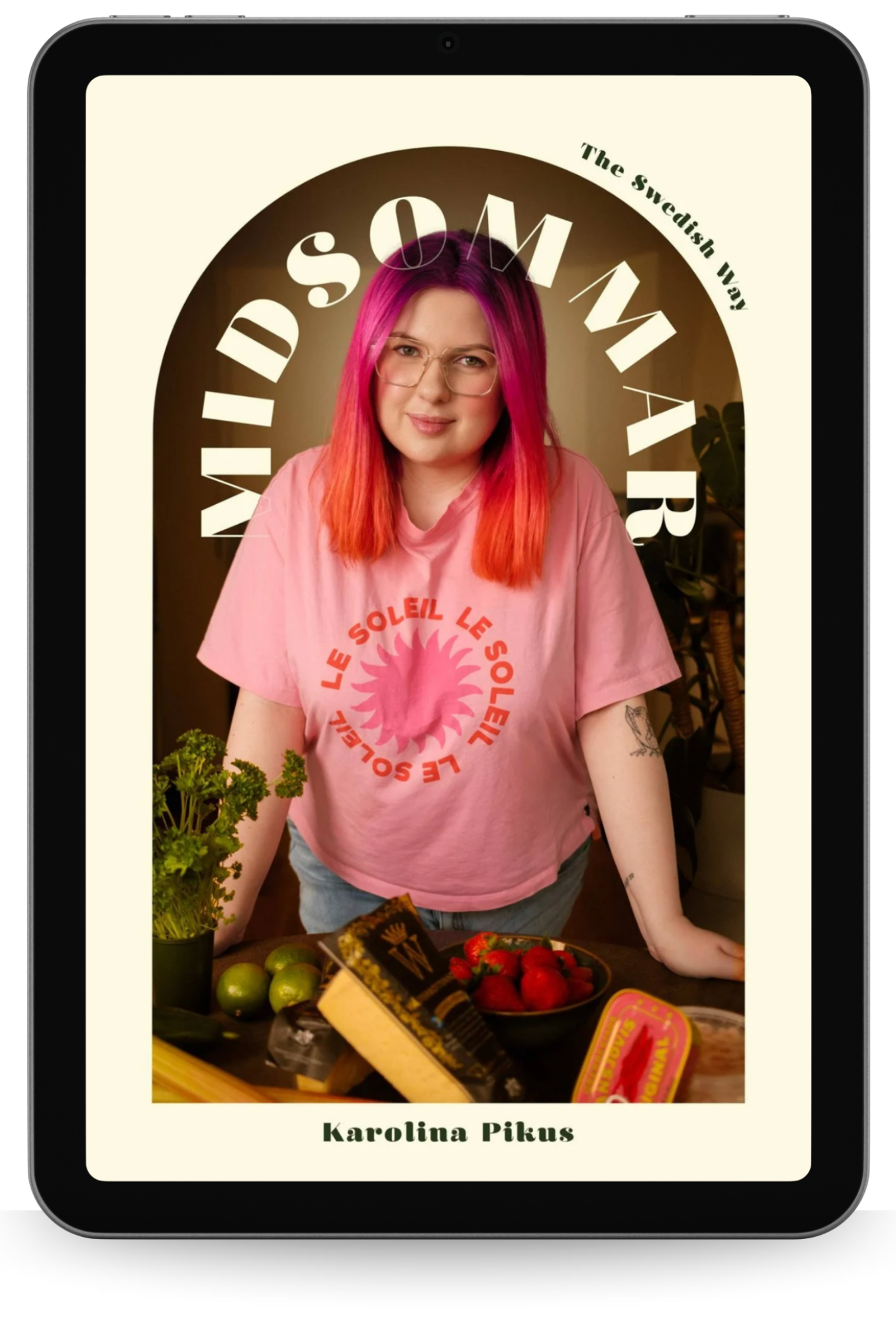
Cook it the Swedish way
this summer
31 authentic recipes for the perfect Midsommar table — gravlax, silltårta, new potatoes, snaps & strawberry cake.
Sweden is a big country, and how Midsommar feels depends enormously on where you experience it. The ceremony in Dalarna smells of birch and lake water and sounds like fiddles. The archipelago version tastes like cold shrimp and feels like sea wind. In the far north, the sun simply never goes down. This guide covers all of it — what happens, when, how to get there, what it costs, and how far in advance you need to book.
Dalarna — the cultural heart of Midsommar
If there is one region in Sweden that Swedes themselves would identify as the spiritual home of Midsommar, it is Dalarna. Sitting in central Sweden around Lake Siljan — a lake formed by a meteorite impact millions of years ago — this province has resisted the homogenizing effects of industrialization and urbanization more successfully than almost anywhere else in the country. The folk costumes are real, worn by real people from specific parishes where the pattern has specific meaning. The fiddle music is a living tradition, not a performance. The maypoles are enormous.
The best starting point for planning a Dalarna visit is visitdalarna.se.
Leksand — the world’s largest Midsommar celebration
The town of Leksand hosts what is legitimately considered the largest Midsommar gathering anywhere in the world. Between 20,000 and 30,000 people crowd into the Gropen — a natural amphitheater in the heart of town — for a celebration that has been refined over many generations into something genuinely spectacular.
The centrepiece is the 25-metre maypole, decorated with flower garlands weighing hundreds of kilograms, raised entirely by collective human strength using crossed wooden poles called saxar. This is not a metaphor for community — it is community, in the literal, physical sense.
2026 program at Gropen (June 19): Festivities begin at 16:00 with a children’s maypole raising at the heritage farm. At 19:00, the decorated church boats arrive on the river. The grand maypole raising takes place at 19:45, followed by a traditional barn dance (logdans) at 22:00. Simultaneously, a contemporary music festival at the nearby Arenatorget runs with Swedish artists including Bolaget and Hoffmaestro — the unlikely coexistence of ancient folk tradition and modern festival culture that defines modern Dalarna.
Main info
Entry: The main celebration at Gropen is entirely free and open to the public.
Getting there: Tåg i Bergslagen trains run from Stockholm to Leksand in approximately three hours. Book months in advance — trains fill completely on this weekend.
Accommodation: Book a minimum of six to eight months ahead. Everything in the region sells out. Hotels, camping grounds, and holiday villages are all at full capacity by the time most people think to look.
Rättvik — church boats on Lake Siljan
Rättvik, on the eastern shore of Lake Siljan, offers one of the most visually striking Midsommar sights in Sweden. The town is famous for its kyrkbåtar — traditional Viking-style wooden longboats, each elaborately decorated with fresh birch branches and wildflowers, rowed in synchronized processions across the lake’s surface on Midsommar Eve.
These boats are a living historical document. Before roads were built around the lake, isolated farming communities rowed across Siljan to attend church services. At Midsommar, the tradition is spectacularly resurrected. Spectators gather along the shores and on the famous Långbryggan — one of the longest wooden piers in the world — to watch the fleets arrive.
For those wanting an all-inclusive experience, Stiftsgården Rättvik offers a dedicated two-night Midsommar package (June 19-21) covering full board, traditional breakfasts, and immediate proximity to the celebration.
Mora and the Siljan ring
Mora, at the northern tip of Lake Siljan, provides a more intimate and local celebration than Leksand. The town is the finish line of the Vasaloppet, the world’s oldest long-distance ski race, and the Vasaloppsleden trail becomes a popular hiking destination on Midsommar morning before the afternoon festivities begin. The local Zorns Gammelgård museum hosts small maypole raisings where the folk costumes are notably different in pattern and color from those in Leksand — each parish has its own design.
Nearby Våmhus village keeps genuinely ancient traditions alive on Midsommar Day (June 20, 2026), including hair-jewelry weaving demonstrations and wood-fired herring prepared using methods centuries old.
The broader Siljan ring — that ring of villages and towns around the meteorite lake — is worth exploring as a whole. Almost every village holds its own celebration, and the subtle variations in maypole design, floral patterns, and fiddle styles change from parish to parish.
Stockholm and surroundings
Stockholm offers multiple completely different Midsommar experiences within an hour of each other, from highly curated museum celebrations to spontaneous urban picnics to remote archipelago islands.
Skansen — the institutional celebration
Skansen on Djurgården island is the world’s oldest open-air museum, founded in 1891, and serves as the premier Midsommar venue for visitors to Stockholm. It functions as a miniature Sweden — historical buildings relocated from every province, farm animals, traditional crafts — and at Midsommar it offers the most comprehensive, organized, and accessible celebration in the capital.
2026 program (June 19, open 10:00-22:00):
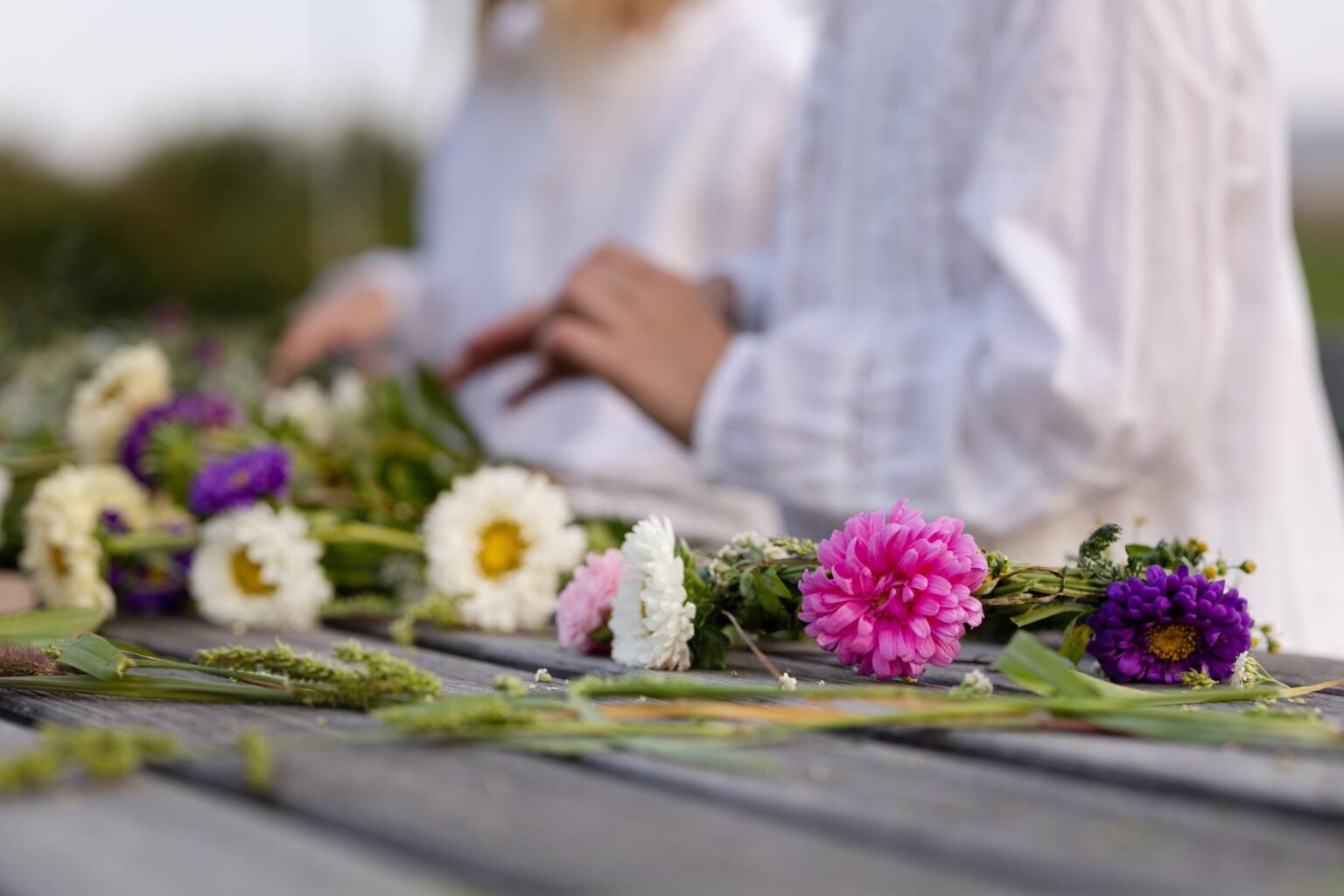
- Traditional wreath binding with birch leaves and flowers runs from 10:00 to 15:00.
- A Midsommar market (11:00-20:00) offers seasonal crafts and food.
- Public maypole dancing led by the folk dance group takes place in multiple sessions at 11:30, 13:30, 15:00, and 17:00.
- Folk music concerts in the historic Seglora Church run at 14:00, 15:30, and 17:00.
- From 18:00 to 22:00, the Galejan outdoor dance floor hosts an evening social dancing session with the live band Sandins.
Note
Entry: Adults 220-285 SEK (depending on online vs gate purchase). Children under 15 enter free but require a pre-booked complimentary ticket. The historic funicular railway costs an additional 35 SEK return.
Getting there: Tram 7 from T-Centralen to the Skansen gates, or the Djurgården passenger ferry from Slussen. Bring a picnic — public grills are available inside the park (check for fire bans before bringing anything to grill).
June 20 and 21 Skansen also open but close earlier at 18:00 — making this a proper three-day celebration.
Stockholm archipelago — Midsommar on the water
The Stockholm archipelago contains roughly 30,000 islands, and celebrating Midsommar on one of them is the Swedish summer dream. Ferries depart from central Stockholm via Waxholmsbolaget (the public ferry network) or Stromma (premium cruises).
Fjäderholmarna is the closest island — just 30 minutes from the city by Stromma boat (170 SEK one way, 205 SEK return). It offers a community celebration and excellent fresh seafood at Rökeriet, ideal for a half-day trip.
Vaxholm — considered the capital of the archipelago — holds a traditional community event at the Lägret park. Maypole decorating begins at 14:00, with a parade from Söderhamnen at 15:40 and folk dancing commencing at 16:00. Stromma fast ferry from central Stockholm takes under 50 minutes (approximately 190 SEK), or a leisurely 1.5-hour classic vessel cruise for 245 SEK.
Grinda — lush, forested, with excellent bathing rocks — is reached via Stromma’s 6-hour “Midsommar Cruise to Grinda” aboard the classic M/S Waxholm III. The package (from 1,360 SEK) includes a three-course traditional Midsommar meal on board, departure at 11:00, arrival at Grinda at 13:00 for the island’s 13:30 maypole raising, returning to Stockholm by 17:00. One of the most complete Midsommar experiences available to visitors without a private invitation.
Sandhamn — far out in the outer archipelago, favored by the sailing community — holds a parade through the village streets culminating with the maypole raising at 15:00. Cinderellabåtarna fast ferries from Strandvägen from approximately 255 SEK.
Södermalm and Tantolunden — the urban alternative
For those staying in the city, Tantolunden in Södermalm offers a completely free, sprawling, grassroots public celebration. No tickets, no stage show — just thousands of people picnicking on a hilly park with blankets, herring, and strawberries. The municipality’s Sommar i Tanto-boden kiosk (open 12:00-19:00) lends outdoor games including kubb at no charge.
Vitabergsparken, nearby, frequently hosts open-air theater and cultural events under the auspices of Kulturhuset Stadsteatern’s Parkteatern — a more bohemian, culturally rich evening option.
Gothenburg and the west coast
The western coast of Sweden is physically and atmospherically different from the east. Here, the landscape is dramatic granite rock, not pine forest. The water is the salty Skagerrak, not the brackish Baltic. And the food leans heavily toward fresh seafood — shrimp, langoustines, crayfish — rather than just pickled herring.
All event details for Gothenburg are at goteborg.com.
Slottsskogen — the city celebration
The primary urban Midsommar event in Gothenburg takes place at the expansive Björngårdsängen lawns within Slottsskogen park. It is completely free, open to everyone, and run by the local folk dance association Folkdanslaget Näverluren.
The event is informal and genuinely inclusive — one of the most demographically diverse Midsommar gatherings in Sweden, reflecting Gothenburg’s multicultural character. Getting there is simple: take the blue tram (lines 1, 2, or 8) to Linneplatsen.
Gothenburg archipelago — car-free islands
The southern Gothenburg archipelago is car-free, accessed by Styrsöbolaget ferries from Saltholmen terminal. Standard Västtrafik public transport tickets are valid — no extra ferry ticket required.
Vrångö, the southernmost inhabited island, holds a beautifully organized, intimate village celebration. On Thursday June 18, the community decorates the maypole at 17:00 — visitors are welcome to bring their own wildflowers to contribute. On Friday June 19, the main dancing begins at 15:00 at the harbor. Home-baked fika and local lotteries are part of the program. Kajkanten Vrångö offers dedicated three-day Midsommar packages.
Brännö draws younger, livelier crowds and is known for a more energetic, musical atmosphere into the late evening. Styrsö is the quieter, nature-focused option, better suited to families and those seeking calm coastal walks.
Bohuslän coast — seafood and granite
Traveling north into Bohuslän, the celebrations become more maritime and the food becomes exceptional.
Grebbestad — internationally famous for its wild oysters — holds traditional celebrations at the Sandbacken area, with maypole dressing at 11:00 and dancing at 15:00 on June 19. The surrounding areas of Falkeröd and Grönemad host community gatherings with granite rocks and historic fishing huts as backdrop. Details at gotobohuslan.com.
Smögen offers a fascinating sociological split: a traditional Midsommar Eve for families, followed by Midsommar Day (Saturday June 20) transforming into one of the West Coast’s largest party events. Sea Lodge hosts a major outdoor festival from 14:00, with tickets ranging from 650 SEK (standard) to 1,075 SEK (VIP). This is very much the modern club-culture adaptation of the holiday.
Lysekil is better for those who want an active, adventurous Midsommar — kayaking through granite fjords, encountering seals on the rocks, with celebrations folded into the outdoor experience.
Southern Sweden
Malmö and Skåne
Skåne’s flat agricultural landscape, warmer climate, and proximity to continental Europe give its Midsommar a slightly different character. The rapeseed fields are still yellow, the air is warmer, and the atmosphere feels more southern.
Pildammsparken in Malmö is the city’s classic public gathering point — free, sprawling, centred on the park’s amphitheater. Bulltofta recreation area organizes family-friendly events in its arboretum and meadows.
Folkets Park reflects Malmö’s multicultural character, blending Swedish solstice traditions with international community events in a way that is distinctly and interestingly modern.
Ystad — the medieval town famous for the Wallander detective series — offers the elegant Hotel Continental du Sud’s outdoor terrace event on June 19: an upscale evening of classic Swedish summer food, champagne, and live local jazz. A refined, adult alternative to the park picnics.
Gotland — medieval walls and Baltic light
Gotland is a Baltic island accessible by ferry from Nynäshamn or Oskarshamn, or by flight. The capital Visby is a remarkably preserved medieval Hanseatic city surrounded by a 13th-century limestone wall. Celebrating Midsommar here means dancing in the shadow of ruins that are 700 years old.
Paviljongsplan in Visby city hosts public dancing and live folk music. Restaurants on Midsommar Eve in Visby are notoriously difficult to find open without a reservation — book well in advance at venues like Bageriet, Plaza, or Nunnan.
Vidhave (northern Visby, Snäckviksvägen): On June 19, the maypole is decorated from 10:30 and raised at 12:30. Afterward, a traditional sill och nubbe buffet is served — 340 SEK adults, 165 SEK children, pre-registration required. Dancing is free.
Kneippbyn resort on western Gotland offers a highly family-centric event with Pippi Longstocking character appearances — ideal for families with young children.
Details for Gotland at gotland.com.
Northern Sweden — the midnight sun
Above the Arctic Circle, the sun does not set during the weeks surrounding the solstice. This changes everything. There is no signal that the evening is over. Celebrations continue seamlessly into the early hours because biologically, it still feels like afternoon.
Riksgränsen — skiing under the midnight sun
Riksgränsen is Sweden’s northernmost ski resort, on the Norwegian border. At Midsommar, it offers something genuinely impossible almost anywhere else in Europe: skiing in the middle of the night.
2026 program (June 18-21):
- Ski lifts operate during standard day hours (10:00-15:00) and then reopen in the evening for midnight sun skiing from 22:00 to 00:30.
- The snow in late June is soft, forgiving, and slushy — a relaxed, playful skiing environment. After midnight skiing, the lodge hosts traditional Midsommar celebrations with dancing and herring. The juxtaposition of flower crowns and ski boots is as Swedish as it gets. Details at riksgransen.se.
Abisko and Kiruna
For non-skiers, Abisko National Park and the municipality of Kiruna offer pristine wilderness under 24-hour daylight. Late-night hiking through the U-shaped Lapporten valley, sauna by Lake Torneträsk at midnight, and golf under the midnight sun at Björkliden golf course are all available.
Jamtli, Östersund
Jamtli is Östersund’s extensive open-air museum — similar in concept to Skansen but focused exclusively on northern Swedish heritage. On June 19, 2026, it opens from 11:00 to 17:00 with folk music by Patina, performances by the Östersunds Folkdansgille, and a genuinely unusual local tradition: walking backward in silence to pick flowers for the maypole. An old superstition, still practiced here with genuine ceremony. Full details at jamtli.com.
Hidden gems worth seeking out
Stenegård, Hälsingland
Hälsingland’s Hälsingegårdar — elaborate 19th-century decorated farmhouses built by wealthy flax farmers — form a UNESCO World Heritage site. The Stenegård estate in Järvsö hosts a beautifully traditional celebration on June 19, 2026.
Pole decoration begins at 10:00. Wreath binding workshop at 12:00. The main program with fiddlers and dancers starts at 13:00. Pole raised at 13:30. General admission 70 SEK. Free for children. Free for anyone arriving in traditional folk costume — a policy that actively incentivizes wearing local heritage textiles. Full details at stenegard.com and visit.ljusdal.se.
Öland — windmills and two completely different parties
Öland is a long limestone island connected to the mainland by a bridge from Kalmar. Its landscape is unlike anywhere else in Sweden — flat, wind-swept, studded with hundreds of historic wooden windmills.
At Midsommar, Öland hosts two entirely different events simultaneously. Himmelsberga open-air museum offers a quiet, family-oriented maypole celebration with historical context. Just a few kilometres away, Riff Borgholm Midsummer Festival at Mejeriviken runs June 19-20, 19:00-01:00, drawing over 13,000 visitors to what is essentially a large outdoor music and party event (18+). The contrast between these two experiences on the same island is remarkable. Details at en.oland.se and riffborgholm.se.
Quick comparison guide
| Location | Atmosphere | Cost | Best for | Unique feature |
|---|---|---|---|---|
| Leksand, Dalarna | Massive, traditional | Free event, high lodging | Cultural tourists | World’s largest; 25m maypole raised manually |
| Skansen, Stockholm | Curated, educational | 220-285 SEK (kids free) | Families, first-time visitors | All Swedish regions in one accessible park |
| Grinda cruise, Stockholm | Maritime luxury | From 1,360 SEK | Couples, food lovers | Three-course meal + authentic island dancing |
| Slottsskogen, Gothenburg | Urban, diverse, relaxed | Free | Budget travelers, city dwellers | Massive free park gathering in city center |
| Vrångö, Gothenburg archipelago | Intimate, maritime | Free + ferry | Nature lovers, couples | Car-free island, harbor dancing |
| Smögen, Bohuslän | Party, modern | 650-1,075 SEK (Sat event) | Young adults, festival-goers | Major electronic music event on June 20 |
| Vidhave, Gotland | Intimate, medieval backdrop | Free (dance) / 340 SEK (buffet) | History enthusiasts, families | Medieval stone city as backdrop |
| Riksgränsen, Lapland | Extreme, adventurous | Ski pass required | Skiers, adventurers | Midnight sun skiing 22:00-00:30 |
| Stenegård, Hälsingland | Authentic, heritage | 70 SEK (free in costume) | Architecture and heritage tourists | UNESCO farmhouse setting |
| Öland | Split: quiet/wild | Free-ticketed | Families or party-goers | Two completely different events on one island |
Planning essentials: book early and buy drinks now
Accommodation: The entire Dalarna lake region, the Stockholm archipelago, and Smögen on the west coast book out months in advance. For Leksand, Rättvik, and Mora, plan six to eight months ahead minimum. Stockholm archipelago cruises and the Sea Lodge Smögen event sell out entirely online — there are no walk-up options.
Travel: Thursday June 18 is statistically one of the most congested travel days of the year in Sweden. Every highway out of Stockholm and Gothenburg is jammed from midday onward. Every train to Dalarna runs at full capacity. Travel Wednesday, or leave before 8am on Thursday. Waxholmsbolaget and Styrsöbolaget ferries run on modified holiday schedules — check before you go.
Systembolaget: The state alcohol monopoly is closed on June 19, 20, and 21. The last opportunity to buy wine, beer, snaps, or spirits is Thursday June 18, when stores close at 19:00. Thursday afternoon queues are legendary — the whole country is buying drinks simultaneously. Go on Monday or Tuesday and avoid the chaos entirely.
Weather: Pack layers regardless of the forecast. Swedish June averages 15-22°C, but rain is entirely normal and can arrive quickly. A waterproof jacket is not optional — it is a Midsommar essential.
Cook it the Swedish way
this summer
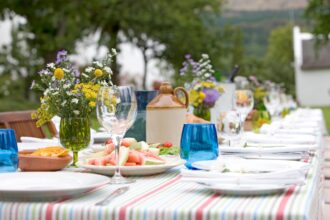
31 authentic recipes for the perfect Midsommar table — gravlax, silltårta, new potatoes, snaps & strawberry cake.
Wherever you end up on June 19, 2026, the experience will be worth it. This is the night when Sweden is most completely itself — outdoors, communal, a little chaotic, and genuinely joyful. If you have specific questions about any of the locations or need help planning a particular route, leave a comment below. The LikeSweden newsletter will keep you updated as specific event details are confirmed in the weeks ahead.